
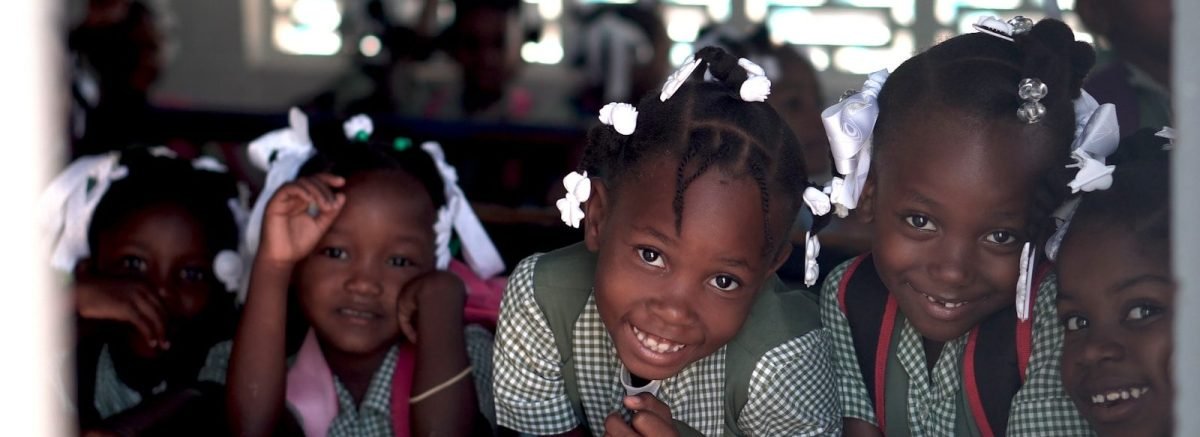
The 2010 Haiti earthquake was a catastrophic magnitude 7.0 Mw earthquake, with an epicenter near the town of Léogâne, approximately 25 kilometres west of Port-au-Prince, Haiti’s capital. The earthquake occurred at 16:53 local time (21:53 UTC) on Tuesday, 12 January 2010. By 24 January, at least 52 aftershocks measuring 4.5 or greater had been recorded.An estimated three million people were affected by the quake. Death toll estimates range from 100,000 to about 160,000 to Haitian government figures from 220,000 to 316,000 that have been widely characterized as deliberately inflated by the Haitian government.
The government of Haiti estimated that 250,000 residences and 30,000 commercial buildings had collapsed or were severely damaged. There has been a history of national debt, prejudicial trade policies by other countries, and foreign intervention into national affairs that contributed to the pre-existing poverty and poor housing conditions that exacerbated the death toll.
Haiti, Haiti, the further I am from you, the less I breathe. Haiti, I love you, and I will love you always. Always.
Jean-Bertrand Aristide
The earthquake caused major damage in Port-au-Prince, Jacmel and other settlements in the region. Notable landmark buildings were significantly damaged or destroyed, including the Presidential Palace, the National Assembly building, the Port-au-Prince Cathedral, and the main jail.
Among those killed were Archbishop of Port-au-Prince Joseph Serge Miot, and opposition leader Micha Gaillard. The headquarters of the United Nations Stabilization Mission in Haiti , located in the capital, collapsed, killing many, including the Mission’s Chief, Hédi Annabi.
Originally inhabited by the indigenous Taíno people, Spain first became aware of the island on 5 December 1492 during the first voyage of Christopher Columbus across the Atlantic. When Columbus initially landed in Haiti, he had thought he had found India or Asia. On Christmas day, Columbus’ flagship the Santa Maria, ran aground north of what is now Limonade. As a consequence, Columbus ordered his men to salvage what they could from the ship, and he created the first European settlement in the Americas, naming it La Navidad after the day the ship was destroyed.